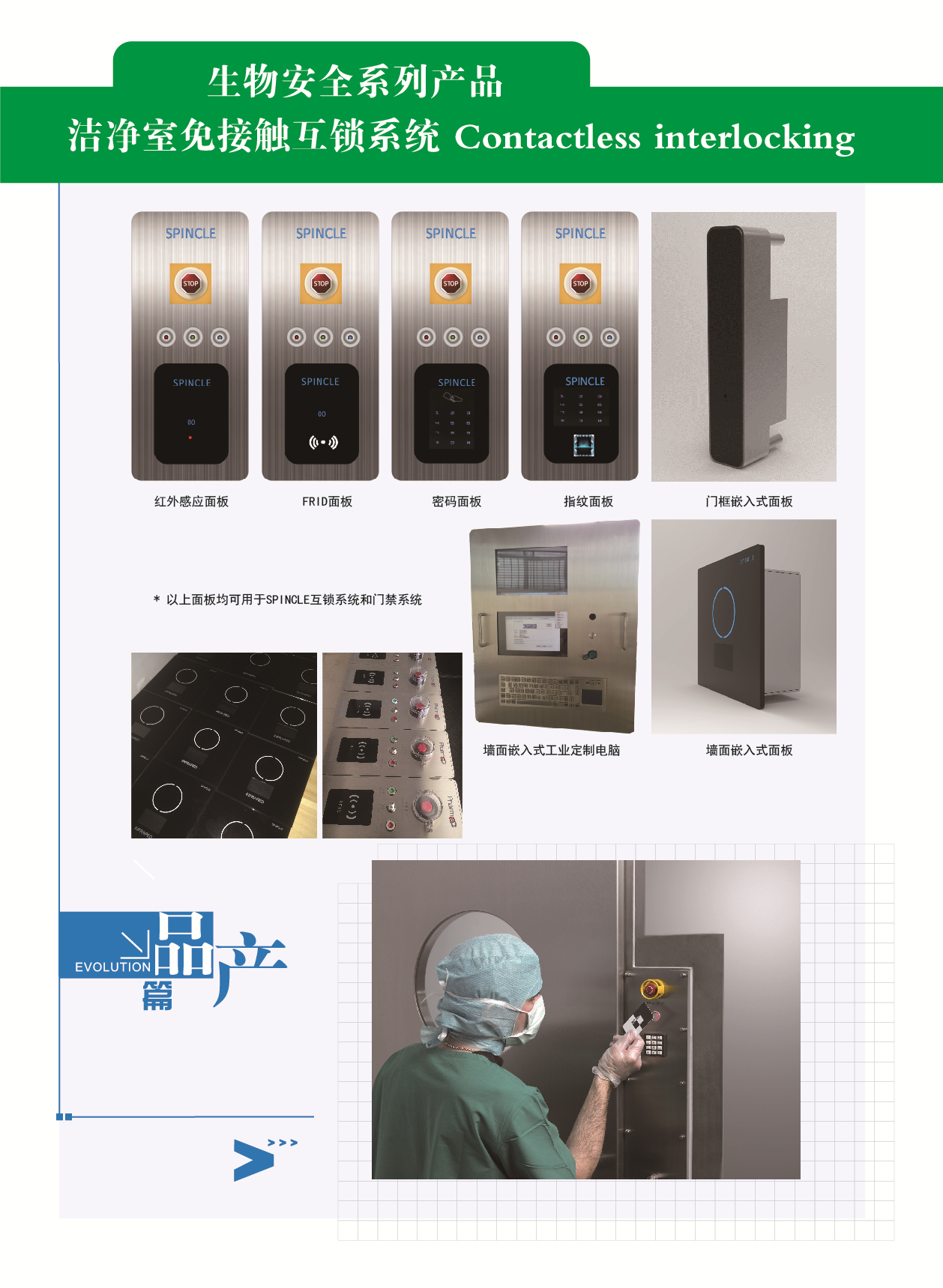

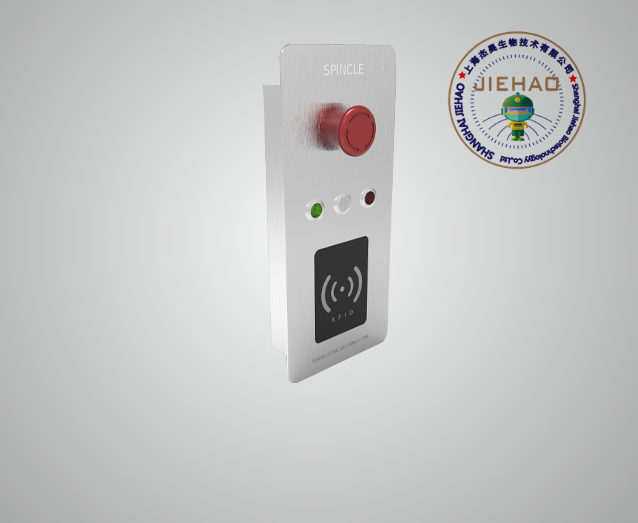
洁净室互锁
常规市场上的互锁均为集成互锁,采用集成电路板,不可编辑。杰昊洁净室互锁不同于常规的互锁,其采用PLC,程序可根据客户实际要求来进行定制编写。在一些复杂的应用场景,常规互锁无法满足其要求。互锁是一种在多个组件或系统之间建立相互依赖关系的方法,以确保它们能够按照预定的顺序或条件进行操作。这种技术在多个领域中都有应用,包括但不限于工程、计算机科学、网络安全等。以下是对互锁概念的更深入探讨:
互锁的基本原理
互锁的核心在于通过某种机制(如锁、信号、状态标志等)来控制不同组件或任务的执行顺序。当一个组件需要等待另一个组件完成其操作时,互锁机制可以确保这种等待关系的实现。
互锁机制的类型
1. 机械互锁:在物理设备中,机械互锁通过物理障碍来防止操作的进行。例如,电梯门的互锁系统确保在电梯门关闭之前电梯不会移动。
2. 电子互锁:在电子系统中,电子互锁通过电路来控制信号的流动。例如,某些电子设备需要在电源稳定后才能启动。
3. 软件互锁:在计算机程序中,软件互锁通过代码逻辑来控制不同任务的执行顺序。例如,操作系统中的进程调度使用互锁来防止资源冲突。
互锁的应用
1. 工业自动化:在自动化生产线中,互锁用于确保机器在安全条件下操作。例如,机器人手臂在进行焊接操作时,需要确保焊接区域无人。
2. 交通控制系统:交通信号灯系统使用互锁来控制车辆和行人的流动,确保交通的顺畅和安全。
3. 网络安全:在网络安全中,互锁机制用于确保数据传输的安全性,防止未授权访问。例如,VPN连接在验证用户身份后才会建立。
互锁的优势
- 提高可靠性:通过确保操作按顺序执行,互锁可以减少错误和不一致的发生。
- 增强安全性:在需要高安全性的系统中,互锁可以防止未授权的访问和操作。
- 优化资源利用:在需要协调多个资源的系统中,互锁可以提高资源的利用效率。
互锁的挑战
- 设计复杂性:设计一个有效的互锁系统可能需要复杂的逻辑和大量的测试。
- 灵活性限制:过度依赖互锁可能会限制系统的灵活性,使得系统难以适应变化的环境。
- 性能影响:在某些情况下,互锁可能会引入额外的延迟,影响系统的整体性能。
Cleanroom Interlocking
The interlocking systems commonly found on the market are integrated interlocks, which use integrated circuit boards and are not editable. Jie Hao's cleanroom interlocking differs from conventional interlocks as it employs PLC (Programmable Logic Controller), and the program can be customized according to the actual requirements of the customer. In some complex application scenarios, conventional interlocks cannot meet their demands. Interlocking is a method of establishing interdependent relationships between multiple components or systems to ensure they operate in a predetermined sequence or under certain conditions. This technology is applied in various fields, including but not limited to engineering, computer science, and network security. Here is a deeper exploration of the concept of interlocking:
Basic Principle of Interlocking
The core of interlocking lies in controlling the execution order of different components or tasks through some mechanism, such as locks, signals, status flags, etc. When one component needs to wait for another to complete its operation, the interlocking mechanism ensures the realization of this waiting relationship.
Types of Interlocking Mechanisms
1. **Mechanical Interlocking**: In physical devices, mechanical interlocking prevents operation through physical barriers. For example, the interlocking system of elevator doors ensures that the elevator does not move before the doors are closed.
2. **Electronic Interlocking**: In electronic systems, electronic interlocking controls the flow of signals through circuits. For example, some electronic devices need to be powered on after the power supply is stable.
3. **Software Interlocking**: In computer programs, software interlocking controls the execution order of different tasks through code logic. For example, process scheduling in operating systems uses interlocking to prevent resource conflicts.
Applications of Interlocking
1. **Industrial Automation**: In automated production lines, interlocking is used to ensure that machines operate under safe conditions. For example, when a robotic arm performs welding operations, it needs to ensure that no one is in the welding area.
2. **Traffic Control Systems**: Traffic signal systems use interlocking to control the flow of vehicles and pedestrians, ensuring smooth and safe traffic.
3. **Network Security**: In network security, interlocking mechanisms are used to ensure the security of data transmission and prevent unauthorized access. For example, a VPN connection is established only after verifying the user's identity.
Advantages of Interlocking
- Improve Reliability: By ensuring that operations are executed in order, interlocking can reduce the occurrence of errors and inconsistencies.
- Enhance Security: In systems that require high security, interlocking can prevent unauthorized access and operations.
- Optimize Resource Utilization: In systems that need to coordinate multiple resources, interlocking can improve the efficiency of resource utilization.
Challenges of Interlocking
- Design Complexity: Designing an effective interlocking system may require complex logic and extensive testing.
- Limitation of Flexibility: Over-reliance on interlocking may limit the flexibility of the system, making it difficult to adapt to changing environments.
- Performance Impact: In some cases, interlocking may introduce additional delays, affecting the overall performance of the system.